Import Duty Optimization & HS Code 6406.20 Breakdown
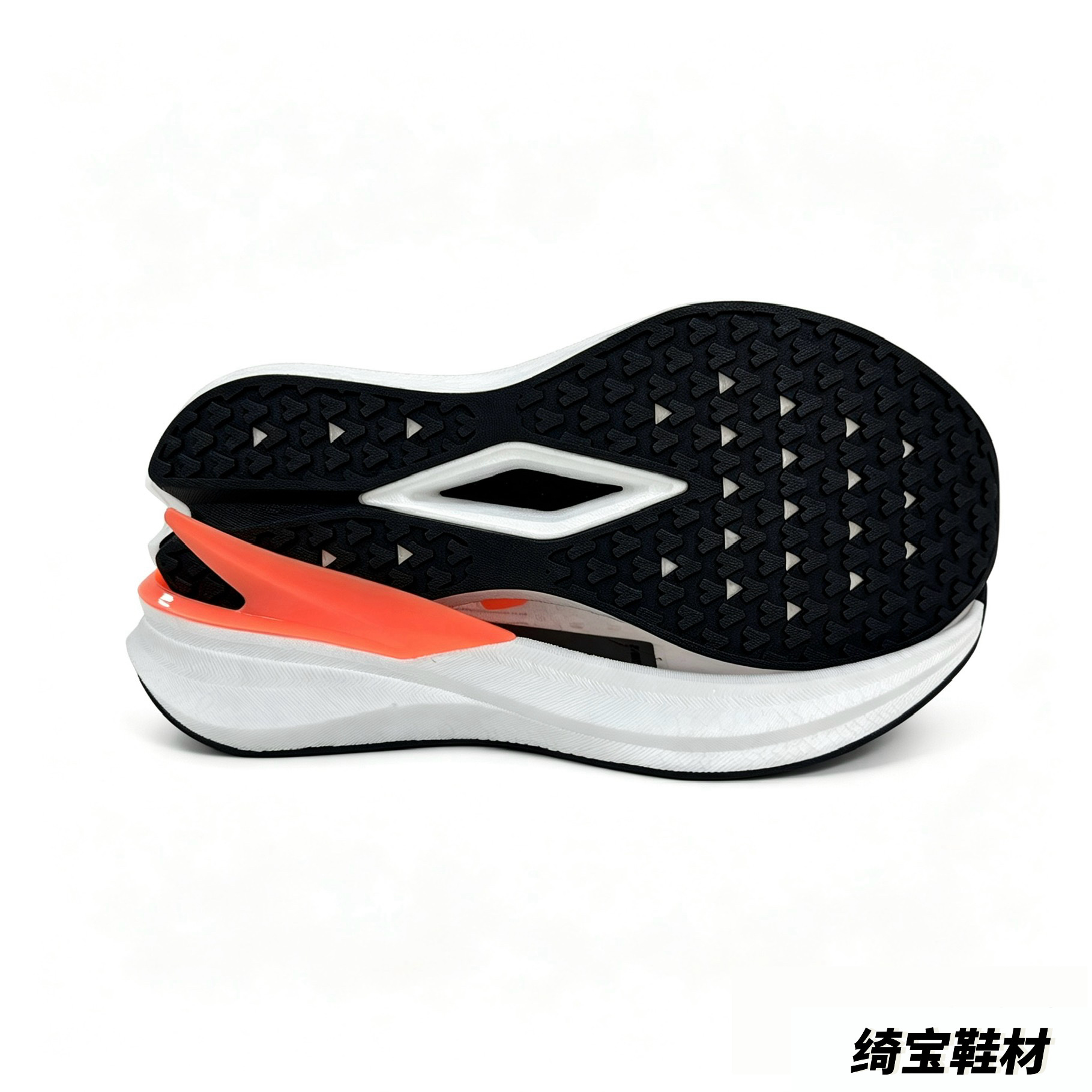
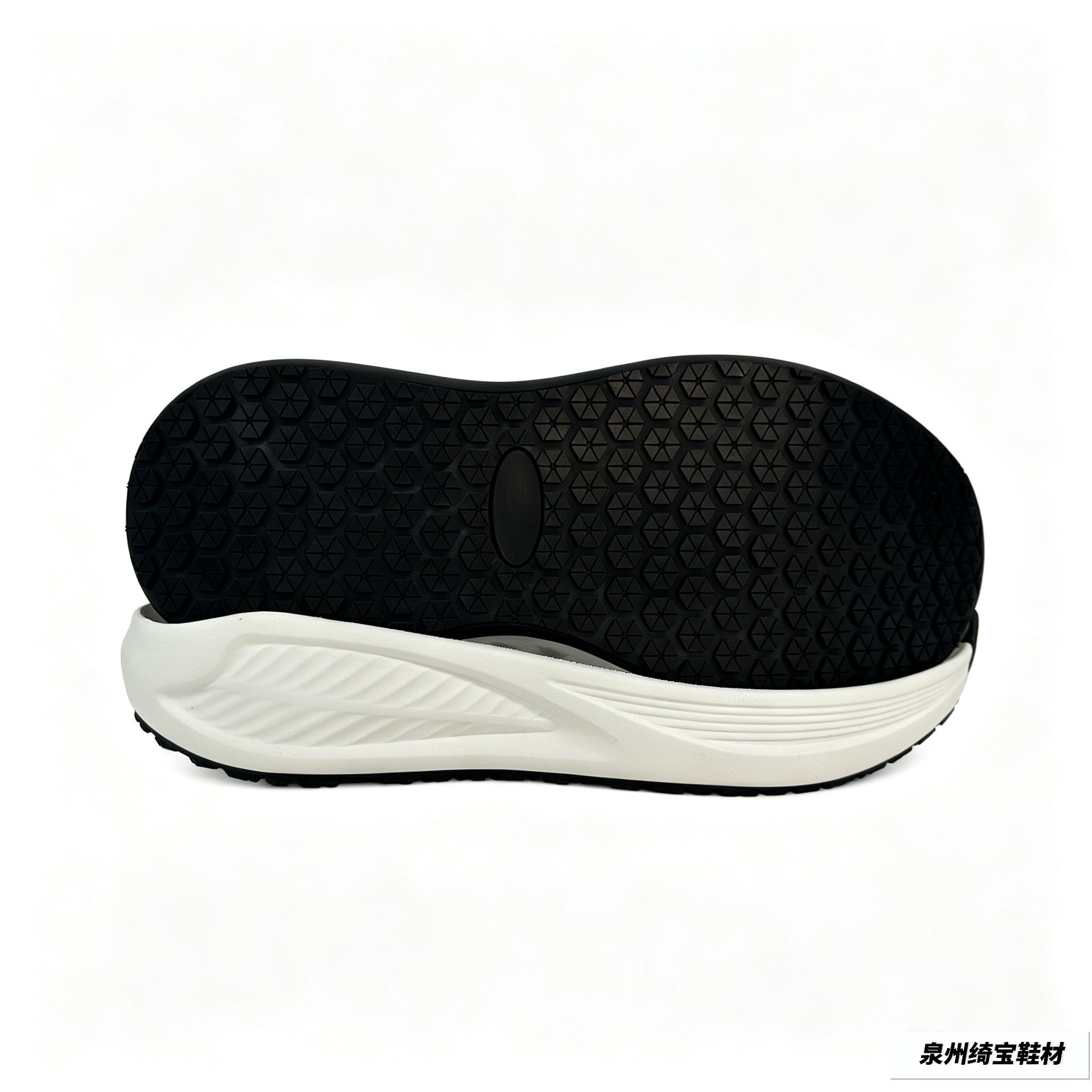
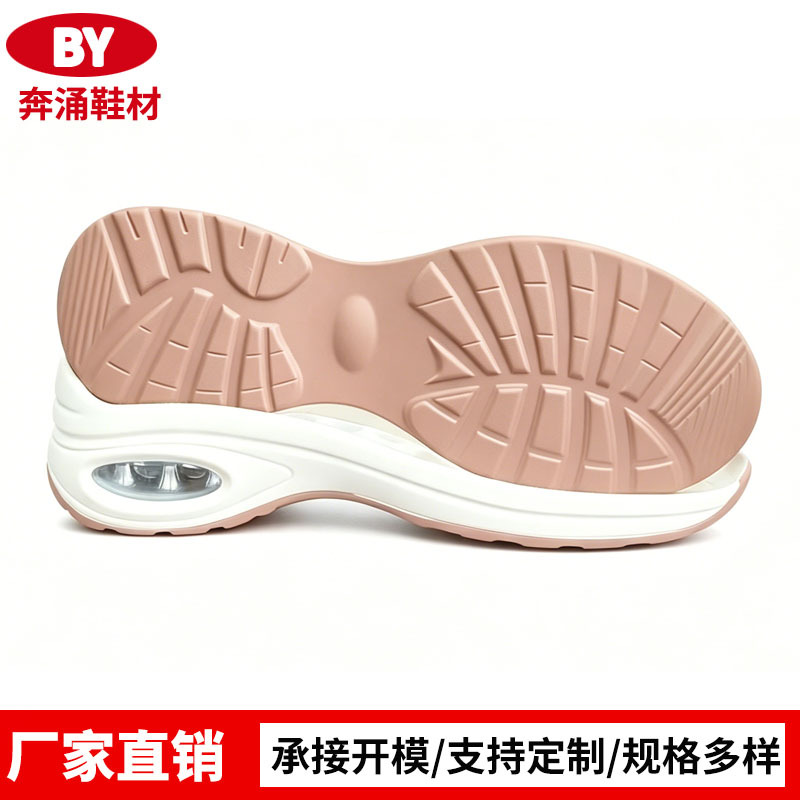
Footwear manufacturers and private-label brands operating in Germany frequently suffer from excessive import tariffs when buying fully assembled shoes. Sourcing semi-finished shoe components—specifically outsoles and outer soles made of vulcanized rubber or EVA under HS Code 6406.20.00—radially transforms unit unit unit economics.
Comparative Landed Cost Analysis: Germany
| Target Market | Germany 🇩🇪 |
|---|---|
| HS 6406.20.00 Tariff Rate | 3.0% EU Common Customs Tariff (HS 6406.20) |
| Port Shipping Transit Time | 26–30 Days to Hamburg / Bremerhaven via Maritime Silk Road (FOB Xiamen / Quanzhou) |
| Mandatory Compliance Standards | EU REACH (240+ SVHC <0.1%), DIN 53516 Abrasion <80mm³, SATRA TM161 (-20°C Cold Flex) |
Strategic Market Analysis & Industry Sourcing Trends
The German footwear market values technical rigor, long-term durability, and strict environmental compliance above all. Dingjian's proprietary SBR compound passes DIN 53516 rotary abrasion tests with volume loss under 80mm³, making our soles a premier cost-effective alternative to Vibram for German hiking and safety boot manufacturers.
By leveraging Dingjian's pre-buffed, pre-primed outsoles, footwear assemblers in Germany bypass the need for solvent priming lines, reducing local VOC factory emissions and achieving high bonding peel strength (> 4.5 N/mm) directly on standard strobel press machinery.
📑 Pre-Cleared Regulatory Documentation for Germany
All Dingjian export containers destined for Germany include complete GSP / RCEP Certificates of Origin, REACH SVHC / California Prop 65 chemical compliance declarations, and verified SATRA TM161 lab test reports for instant customs clearance.